Why Do Metallic Epoxy Floors Peel, Bubble, or Yellow
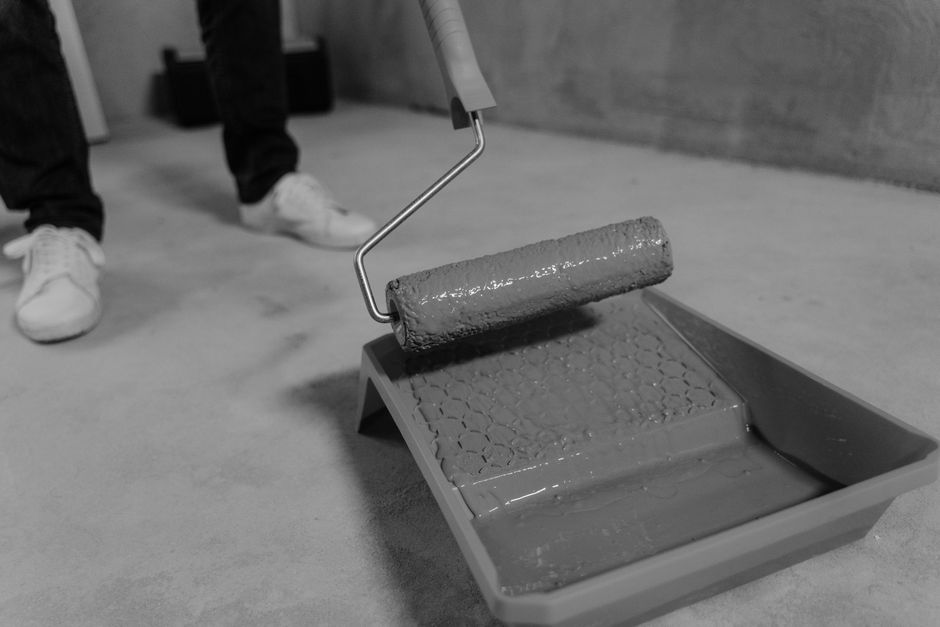
When the slab is damp from below or the surface was never opened up, the problem list for epoxy in Riverside, CA changes before the first coat goes down, and the failures logged at metallic epoxy floors riverside john browns body mostly trace back to that. Peeling, hot tire pickup, pinholes, yellowing, tacky spots and visible wear each have a mechanical cause that can be read off the floor itself.
Peeling and delamination
Peeling usually starts at the bond line. The usual causes are poor surface prep, leftover sealer, or moisture coming up through the slab. Diamond grinding opens the pores so the primer can grip, and a sealer left in place blocks that grip. Vapor pushing up from below lifts the coating from underneath, often in sheets near edges and slab cracks. Loose coating cannot be painted over. It has to be ground back to sound, tight edges, and the cause of the moisture dealt with before anything new is applied.
Hot tire pickup

Hot tires soften and grip a coating that is weakly bonded, then lift it as the car pulls away. The marks tend to sit where the tires park. A long summer drive home through the Inland Empire sends a car in with hotter tires, so a floor with a marginal bond shows the damage sooner. A well ground slab, a properly cured base coat and a hard topcoat resist this far better, though the bond is the real test.
Pinholes and craters
Small pinholes and craters often come from outgassing. Air in the concrete expands as the slab warms and pushes through the wet coating, which is why afternoon application on a warming slab goes wrong. Contamination does the same job, especially oil or silicone on the surface. Craters with a ring around them point to contamination. Blowing dust from Santa Ana winds through an open door can also settle into a wet clear coat and leave a rough, pitted look.
Yellowing in sunlit areas
Yellowing, or ambering, is UV damage to unprotected aromatic epoxy. It shows first near open garage doors that take afternoon sun, while the back of the bay stays clear. The fix is on the chemistry side. A UV-stable topcoat such as polyaspartic or urethane over the epoxy slows this down, and a bare epoxy surface in direct sun will keep changing color.
Soft spots, wear and repairs
Soft or tacky spots usually mean the resin and hardener were mis measured or not mixed thoroughly. Material clinging to the sides and bottom of the bucket is the common culprit, so the mix gets scraped down and boxed into a second pail. Tacky areas have to be removed, not coated over.
Metallic finishes show scratches, dust and swirl marks more than a vinyl flake or quartz sand broadcast system, so wear looks worse on high gloss dark colors. Epoxy is not scratch proof. Damaged areas are repaired by sanding and recoating, but blending a repair into a metallic pigment pattern is difficult, since the swirls will not match. A flake floor hides the same repair far better, and that difference is worth weighing before choosing a finish.